
Archive
September 11, 2026
▾ Hover for summary ▾ Tap for summary
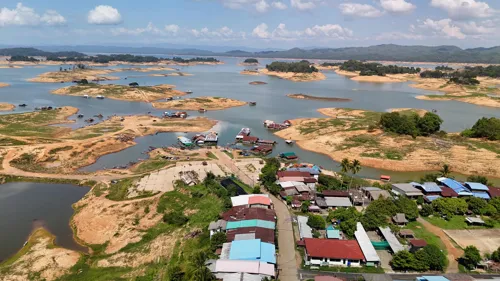
GULF Development has selected Ban Huai Tah community (Uttaradit province, ~300 residents) to install a solar power system at the local school as part of its "Sparks, Life Starts" renewable energy program. The solar installation will enable modern educational access and clean water for the island community, part of GULF's broader effort that has already deployed 100+ kW capacity across 20+ remote locations nationwide, benefiting over 10,000 people. This represents incremental CSR progress for a major Thai developer but has concrete SME relevance for energy access and rural infrastructure.
▾ Hover for summary ▾ Tap for summary
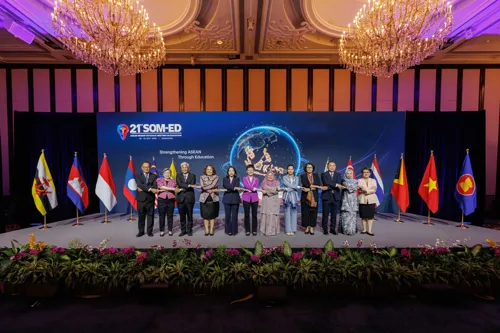
ASEAN has committed to training 1.7 million people in AI skills by 2028, signaling a regional push to build AI workforce capacity across member states. This initiative addresses the talent gap in emerging tech and creates opportunities for SMEs to upskill their workforce, though implementation timelines and funding mechanisms remain unclear.
▾ Hover for summary ▾ Tap for summary
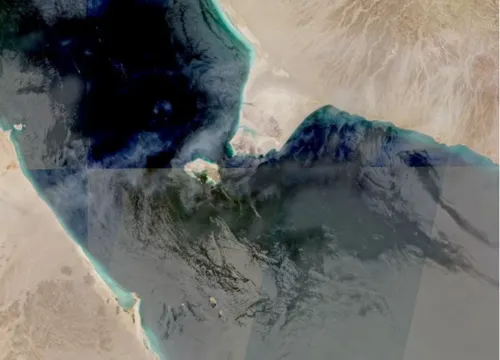
Global oil prices (Brent) spiked near $108/barrel on September 11 due to escalating Houthi-Saudi military clashes, fueled by Iranian-backed Houthi forces moving toward the critical Bab el-Mandeb Strait. Control of this strategic chokepoint could disrupt shipping routes for Middle Eastern oil exports, tighten global markets already strained by Chinese demand and supply concerns. Analysts warn full-scale conflict could trigger sustained high oil prices, directly impacting Thailand's import costs and business operating expenses.
▾ Hover for summary ▾ Tap for summary
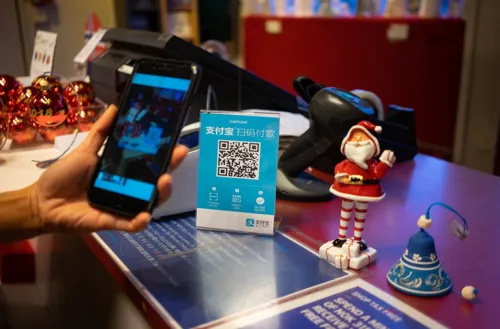
Alipay is launching a wallet agent powered by AI to enable automated, intelligent payments for businesses and users. This development extends Alipay's reach into autonomous transaction processing, potentially streamlining payment workflows for SMEs that operate on the platform or integrate with it. The move reflects broader fintech automation trends affecting digital payment ecosystems.

 Empower businesses to thrive in the digital age.
▾ Hover for summary ▾ Tap for summary
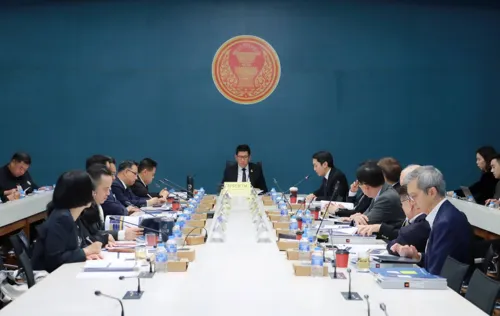
Thailand's BOI board approved a strategic overhaul of investment promotion, shifting focus from volume to "real value creation"—emphasizing tangible benefits like supply chain integration, high-skill job creation, and R&D transfer. Headline initiative: "BOI to IPO" program will offer enhanced incentives to help high-potential BOI-promoted companies go public on Thai exchanges (SET, mai, LiVEx), aiming to replicate successes like Delta and Cal-Comp. Also greenlit 17 new FastPass projects worth 120+ billion baht and 3 investment projects totaling 9.6 billion baht. Targets: position Thailand for high-income status within 12 years and boost investment to 30%+ of GDP.
▾ Hover for summary ▾ Tap for summary
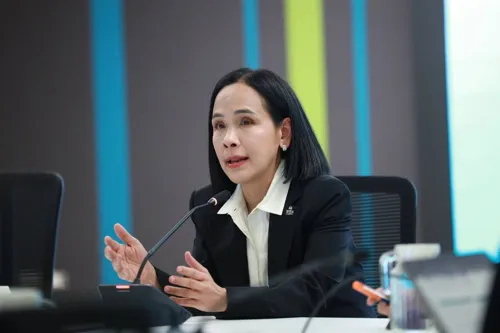
Thailand's Securities and Exchange Commission (SEC) has finalized the framework for TISA (Thailand Individual Savings Account), a new long-term investment product combining retirement savings and long-term investment components under a single account structure. The initiative aims to redirect Thai citizens from bank deposits into capital market investments (stocks, bonds, mutual funds) via tax incentives: deductions for retirement savings and tax exemption on returns for long-term investments. With only ~1 million active investors out of 60+ million population, TISA targets significant market expansion. Awaiting Cabinet approval on investment caps and tax benefits, with business system preparation underway.
▾ Hover for summary ▾ Tap for summary
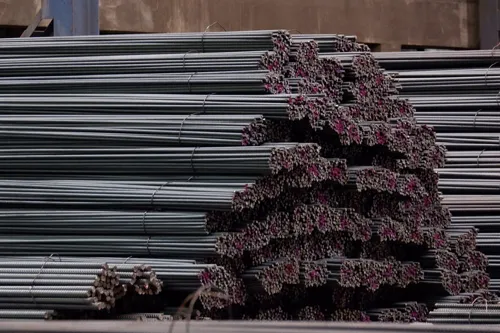
The BOI Board voted on 11 September 2026 to reinstate investment privileges for Sino-Cure Yuan Steel Co., Ltd. after the company completed factory improvements and corrected legal violations related to factory standards. The company's privileges are restored retroactively from 5 June 2026, when the Department of Industrial Works authorized resumption of operations. The firm had faced a temporary suspension of BOI benefits since April 2025 due to violations of factory and industrial product standards legislation.
▾ Hover for summary ▾ Tap for summary
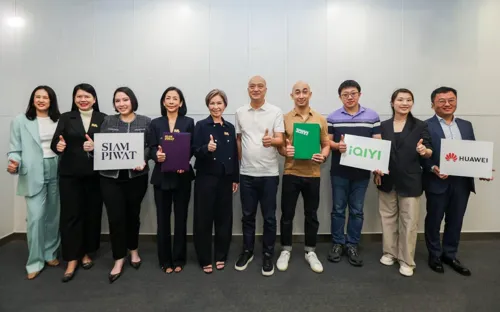
Siam Piwat, Thailand's major real estate and retail operator, is building an "Asian Digital Travel Ecosystem" through partnerships with leading Chinese companies in tech, digital payments, entertainment, and tourism. The strategy aims to serve quality travelers from across Asia by connecting touchpoints from origin country through destination experience. Key partners include Huawei (since 2020), with potential to access over 1 billion consumers globally. This represents a significant pivot toward tech-enabled, personalized travel experiences rather than volume-based tourism—relevant for Thai SMEs seeking to integrate into regional digital commerce and tourism value chains.
 Your real translator for LINE and Discord.
▾ Hover for summary ▾ Tap for summary
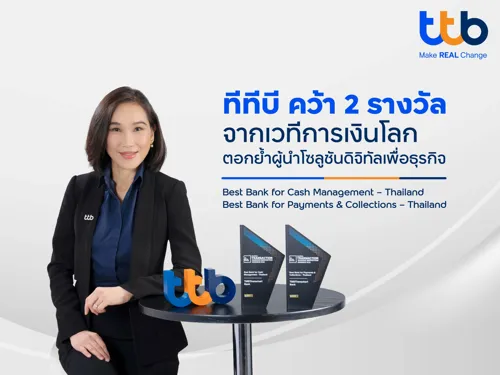
TTB won two awards at the Global Transaction Banking Innovation Awards 2026 for Best Bank for Cash Management and Best Bank for Payments & Collections in Thailand. The recognition highlights TTB's leadership in digital financial solutions that integrate payments, cash flow, and data management—helping SMEs reduce costs, streamline operations, and improve liquidity. Key offerings include ttb smart shop for retail point-of-sale, ttb fleet solutions for expense management, and Food & Beverage Merchant Solutions that unify POS, back-office, accounting, and finance systems.
▾ Hover for summary ▾ Tap for summary
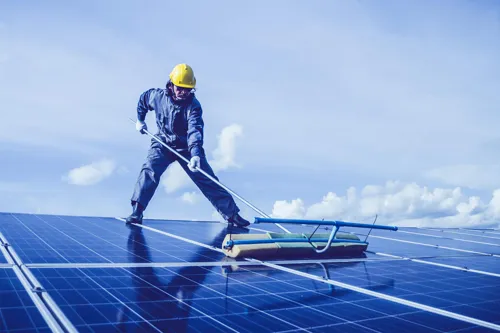
Thailand's Deputy Finance Minister indicates the solar rooftop project will enter the cabinet screening board next week pending Interior Ministry submission for PM signature. The project uses funds from the 400 billion baht emergency loan decree. Meanwhile, the "Thailand Travel Plus" tourism stimulus project awaits Tourism Ministry details before board review. A "Connect the Dots" task force meeting on September 14 will discuss anti-economic crime coordination and the "Data Bureau" financial intelligence hub.
▾ Hover for summary ▾ Tap for summary
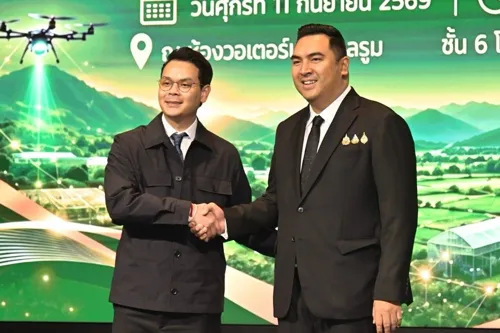
Thailand's Ministry of Agriculture and Ministry of Digital Economy for Economy and Society have completed the One Data 2026 initiative, integrating agricultural data from 5 agencies—comprising over 300 million records and 1,000+ data fields standardized into a single framework. This unified data infrastructure aims to reduce redundancy and enable evidence-based policy decisions on farmer income, cost reduction, water management, and risk mitigation. Plans include expanding integration to 3 additional agencies in 2027 and scaling toward a comprehensive "One Agriculture Management" system for coordinated sector governance.

▾ Hover for summary ▾ Tap for summary
Gen Z entrepreneurs are exploring alternative social media models centered on private virtual spaces, moving away from traditional public platforms. This trend signals a shift in how younger tech founders view community building and digital engagement, though the article content was not accessible to assess specific implementation details or market viability.

 Want to buy or sell a business?
▾ Hover for summary ▾ Tap for summary
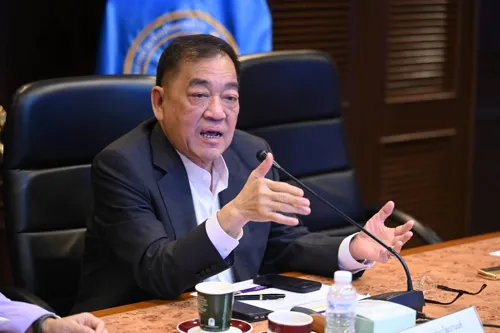
Thailand's Chamber of Commerce supports the EV Board's tax restructuring for electric vehicles, proposing lower excise tax rates for locally-produced vehicles with high domestic content and higher rates for imported CBUs. The chamber urges the government to clarify local content standards, Thai content requirements, and import caps—linked to investment levels, job creation, and domestic value—to incentivize real manufacturing rather than making Thailand merely an EV consumer market. The approach aims to shift the industry toward production and export capacity while protecting existing automotive suppliers and Thai SMEs in the supply chain.
▾ Hover for summary ▾ Tap for summary
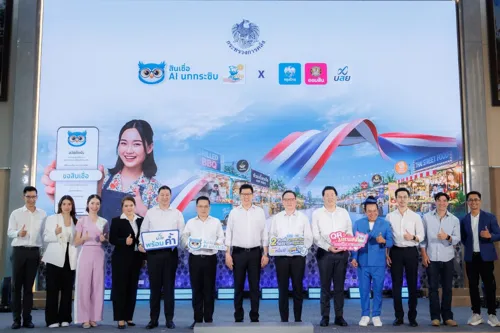
Krungthai Bank launched two AI-powered credit programs leveraging the "Nightingale" AI system integrated with the "Tung-ngoen" app to support micro-SMEs and small merchants. Program 1 offers SME lending up to 3 million baht with 3.5% starting rates and no collateral required. Program 2 provides personal loans for small merchants up to 500,000 baht with 11% starting rates and installments from 500 baht/month. Both programs are free of processing fees and backed by SME Credit Guarantee Corporation, aiming to improve access to capital while helping merchants analyze sales, customer behavior, and business trends via AI insights.

▾ Hover for summary ▾ Tap for summary
Thailand's Deputy PM Yotchanan Vorasoontaweekul identifies financial literacy as a critical gap in the country's deep tech and startup ecosystem. While Thailand excels in research and education, the missing link is Entrepreneurial Finance education—bridging research mindset to commercialization. He advocates a three-tier Financial Literacy approach (personal finance, entrepreneurial finance, and scaling knowledge) to enable researchers and academics to become job creators rather than job seekers, with universities needing to support entrepreneurship through VC/angel funding pipelines rather than passive licensing models.
▾ Hover for summary ▾ Tap for summary
Google has launched its Gemini AI app for Windows, following its April macOS release. The Windows version joins the existing macOS app, which now supports both standard chat and Spark mode (competing with Claude Cowork) and can manage files in folders. Google has indicated additional native features will be added to the Windows version later, though the current roadmap remains vague.
 Together GoWeGo! Ferry tickets in Thailand.
▾ Hover for summary ▾ Tap for summary
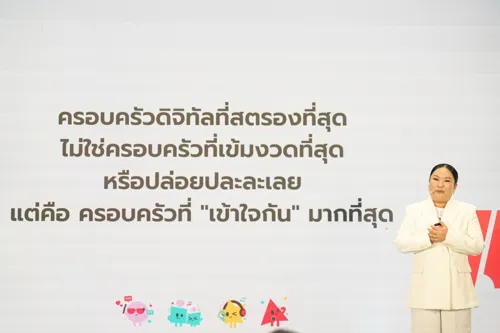
TikTok Thailand launched #TeensAware campaign and Family Digital Safety Playbook (interactive Thai-language cyber safety guide) in partnership with MDES, National Police, INET, and civil society groups. The initiative combines Safety-by-Design technology with user education, introducing Family Pairing controls for parents (daily screen time limits, restricted DMs, content filtering) and stricter age-gating (no accounts under 13; 13–17 limited to 60 min/day with private-only accounts). Q1 2026 enforcement data shows 3.29M Thai violations removed with 99.2% proactive detection. TikTok also collaborates with C2PA on AI transparency, having labeled 3B AI-generated clips globally with invisible watermarking. This positions TikTok as a platform balancing creative freedom with youth safety—a key move to retain younger users sustainably.
▾ Hover for summary ▾ Tap for summary
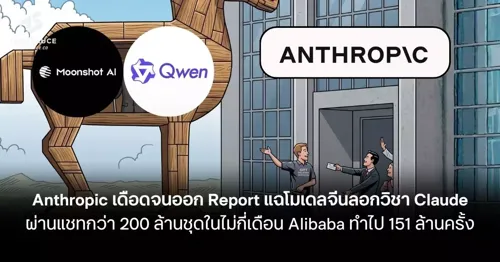
Anthropic's September 2026 Threat Intelligence Report details systematic "model distillation" attacks by Chinese AI firms, with Alibaba's Qwen accessing Claude 151 million times across 3,500+ accounts in May–July 2026 to extract internal reasoning processes (Chain of Thought). Attackers used prompt injection exploits to bypass safeguards; the report flags links to Chinese military/security agencies and reveals similar campaigns by Moonshot AI (Kimi) and three unnamed entities. This IP theft accelerates China's AI capability parity while exposing a critical vulnerability in API-based model protection—actionable for any SME relying on or building LLM services.

▾ Hover for summary ▾ Tap for summary
Salesforce has launched Enterprise AI Harness, a new foundation model designed to enhance AI capabilities across enterprise applications. This move underscores Salesforce's strategy to embed advanced AI features into its CRM and business platform ecosystem, particularly relevant for larger enterprises and integrators managing customer-facing operations at scale.

▾ Hover for summary ▾ Tap for summary
Instagram now allows users to display tagged posts directly on their main Profile Grid, eliminating the need to manually repost content. This shifts the profile into a portfolio and community hub tool. Brands and creators can curate user-generated content to build credibility without fragmenting engagement. Key distinction: unlike Collab Posts (which share ownership and metrics), Tag to Grid only grants display rights—if the original post is deleted or made private, it disappears from the profile. Strategic curation remains essential for maintaining brand value.

 Stop running your company on Excel.