
Archive
August 8, 2026

▾ Hover for summary ▾ Tap for summary
Bangchak Group is launching "The Chlorophyll," a new 10-rai community mall in Bang Yai, Bangkok—the third branch after Hua Hin and Khon Kaen. The company leased the land for 20 years and is constructing a gas station (opening late 2569) with full retail commercial space opening in early 2570. The project targets convenience retail and fuel sales amid rising land taxes pressuring developers to monetize idle property through long-term leases.
▾ Hover for summary ▾ Tap for summary
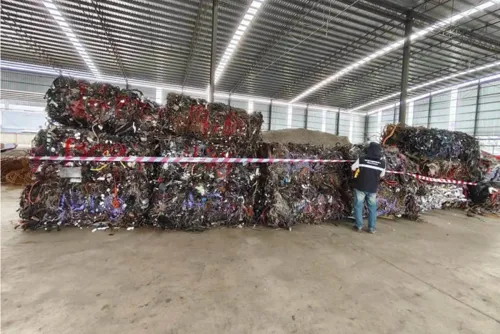
An illegal foreign-run e-waste processing facility in Prachin Buri's national reserved forest was shut down after operating unlicensed for over a year, sorting scrap metal and electronic parts without permission. The delayed response—despite resident complaints—raises questions about regulatory oversight, environmental enforcement, and alleged threats against local activists investigating illegal waste dumping across the Eastern Economic Corridor region.
▾ Hover for summary ▾ Tap for summary
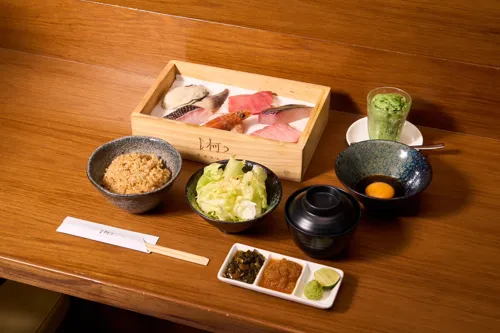
Three siblings from the Gobkulsuwannakul family are expanding their premium yakizakana restaurant KAYAKI with a third branch at DM Quarter. The new "Toyosu" menu, inspired by Tokyo's Toyosu fish market, features four signature ingredients (oyster, live hokkigai, sawara, and abura bouzu). The expansion targets urban health-conscious diners and expatriates with a Japanese Contemporary design featuring flexible seating (family tables for 8, couple tables) and improved accessibility via BTS connection.

▾ Hover for summary ▾ Tap for summary
Dr. Supavutti, chair of Thailand's National Economic and Social Development Council, argues that a "Longevity Economy" is a critical strategic necessity for Thailand. With rapid aging—elderly population growing from 5.7M (2000) to 14.5M today and projected to reach 20M within 15 years—the working-to-elderly ratio will shrink to just 1.8:1 by 2050. Health expenditure already grows 5–6% annually, outpacing GDP growth (~2%). Healthcare-linked tourism and wellness sectors now represent ~18–23% of GDP (pre-COVID), dwarfing traditional manufacturing. This represents a major pivot: rather than chasing industrial competitiveness with China, Thailand should scale health tourism and wellness services as the new economic driver, with the global wellness market growing at 6.2% annually—triple Thailand's current GDP growth.

 Empower businesses to thrive in the digital age.

▾ Hover for summary ▾ Tap for summary
Thailand's government digital systems and data security infrastructure face systemic vulnerabilities, as evidenced by recurring failures: 10,000+ Mor Prom health app errors, vehicle registration data breaches exposing PM details, 55M citizen records leaked in 2023, and Mor Chana/Thai Chana issues dating to 2020. Despite these incidents, government services increasingly require use of flawed digital platforms, but inter-agency access controls, data governance, and cybersecurity preparedness remain weak. The problem is not isolated technical glitches but structural inadequacy in protecting critical infrastructure serving tens of millions.

▾ Hover for summary ▾ Tap for summary
Legendary Thai rock band BIG ASS sold out 5 consecutive shows at Impact Arena (65,000 attendees total) with ticket prices 1,500–4,000 baht, generating an estimated 150–200 million baht in revenue including sponsorships and merchandise. The concert marks a reunion of the band that formed in the 1990s and became a defining force in Thai rock during the 2000s, though the article also documents internal tensions and lineup changes (notably the departure of original lead vocalist Dakk due to vocal health issues). For SMEs in entertainment, events, and music, this signals sustained market demand for iconic cultural moments and nostalgia-driven experiences among Thai audiences.
▾ Hover for summary ▾ Tap for summary
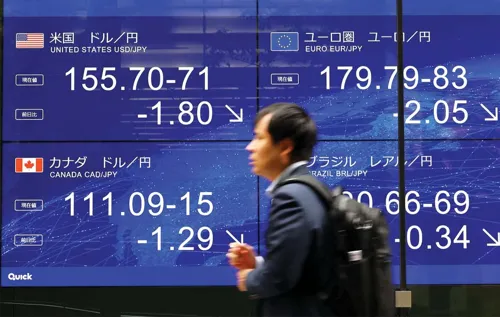
The US and Japan coordinated currency intervention in late July 2026 to support the yen after it weakened to a 40-year low of 163.99 yen/dollar. This marks their first joint intervention in 15 years. US Treasury Secretary Scott Bessent cited regional economic stability concerns, while officials note the cooperation signals strong US-Japan alignment—with underlying implications for regional geopolitics and China relations. Though initial impact strengthened the yen to 155-157 range, sustained intervention effectiveness remains uncertain given Japan's structural fiscal and monetary challenges.

▾ Hover for summary ▾ Tap for summary
Tether, a US-based cryptocurrency company, has emerged as a major gold holder with ~168 tonnes (~$21.8 billion), rapidly accumulating reserves especially in 2025–2026 by allocating 10-15% of investment portfolio to bullion. Using USDT stablecoin flows and US Treasury yield spreads to fund gold purchases, Tether is outpacing most central banks in annual acquisition, signaling that gold demand is shifting beyond traditional finance into digital financial networks and potentially establishing a structural price floor.
 Your real translator for LINE and Discord.

▾ Hover for summary ▾ Tap for summary
OpenAI has delayed the launch of its advanced AI model Astra after internal safety assessments rated its cybersecurity and code-writing capabilities at "critical" risk level. The company is implementing stricter safety protocols, pausing related development projects, and partnering with external security firms and government agencies to mitigate risks before public release. This reflects growing industry focus on AI safety as similar advanced models from OpenAI and competitors demonstrate real-world system vulnerability.

▾ Hover for summary ▾ Tap for summary
The US announced 15% tariffs on polysilicon products (a key semiconductor and solar panel input) with minimum import prices set for Dec 4, 2026—$21/kg for polysilicon, $100/kg for wafers, and $0.22–$0.38/watt for solar cells/modules. The tariff aims to boost US domestic production and reduce China's 96% market dominance. While industry backers see it as protecting US manufacturers, critics warn higher input costs could slow solar expansion and burden electronics consumers, with Korea's industry cautioning this may deter investment in US manufacturing.

▾ Hover for summary ▾ Tap for summary
CPAXT (Makro-Lotus) reported first-half 2026 revenue of 268.3 billion baht, up 3.6% YoY, with online sales growth of 29% across Makro PRO and Lotus's Smart App. The company is accelerating store renovations and rolling out its "Happy & Healthy Mall" strategy to integrate online, offline, and mall rental channels. Management plans continued investment in regional expansion and omnichannel retail technology for the second half.

▾ Hover for summary ▾ Tap for summary
Cryptocurrency exchange Bybit is suing North Korea over an alleged theft of $1.5 billion in Ethereum. This represents a significant cybersecurity incident targeting a major crypto platform and highlights ongoing threats from state-sponsored hacking groups. SMEs using or holding cryptocurrency assets should review their security practices.

 Want to buy or sell a business?

▾ Hover for summary ▾ Tap for summary
Thailand's Labour Minister Julphand Amornvivat outlines an integrated human capital strategy targeting 45 million workers, balancing welfare expansion (especially for platform workers outside formal social security) with productivity gains and sectoral reskilling (e.g. EV manufacturing, semiconductors). The ministry is also diversifying migrant labour sources (Nepal, Sri Lanka, Pakistan) to mitigate supply shocks from Cambodia–Myanmar border disruptions and expanding social security coverage to workers previously outside the system.
▾ Hover for summary ▾ Tap for summary
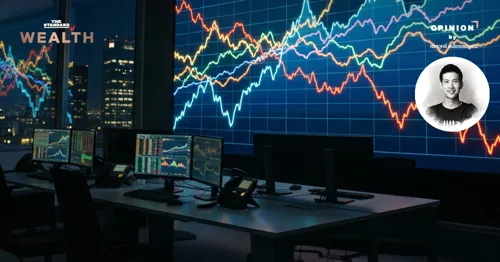
US stock markets (S&P 500, Nasdaq) have hit new all-time highs despite high interest rates and yen carry-trade volatility disrupting Asian markets. The article explains the structural mismatch: Japan's ultra-low rates (0.1–0.25%) versus the US's higher rates (5.25–5.50%) have created a global yen carry-trade unwinding crisis. As Japan gradually raises rates and the US signals potential rate cuts, currency and capital flows are reshuffling—driving money into dollar assets and equities, which partially explains Wall Street's resilience while Asian markets face heavy selling pressure. Investors should expect continued volatility as the carry-trade dynamic stabilizes.

▾ Hover for summary ▾ Tap for summary
Thailand's tourism sector is showing mixed signals in mid-Q3 2026: domestic tourism reached 143.86 million visits (up 2.15%), generating 600 billion baht (+3.46%), while international arrivals stood at ~17 million (with China leading). The government is rushing through stimulus measures including the "Thailand Tourism Plus" co-payment scheme to bolster low-season (September-October) spending and bridge weak sectors. Key risks include energy price volatility and regional competition; success hinges on price controls, safety standards, and coordination across hospitality businesses.

▾ Hover for summary ▾ Tap for summary
Businesses often destroy excess goods instead of donating them—not necessarily due to poor ethics, but because tax and regulatory systems make destruction cheaper and lower-risk than donation. The article argues that policymakers should redesign tax incentives and rules to make sustainable choices economically attractive, citing successful Thai examples like BOI investment promotion and EV tax breaks. This systems-based approach to behavior change is more effective than appeals to corporate responsibility alone.
 Together GoWeGo! Ferry tickets in Thailand.

▾ Hover for summary ▾ Tap for summary
Asia Plus Securities is marketing bonds from 9 Thai companies across finance, jewelry, hospitality, fruit export, and holding sectors, offering yields between 2.75-6.95% to high-net-worth and general investors during August-September. This provides SME investors and financial decision-makers a curated overview of mid-to-large corporate bond opportunities with varying risk ratings (BBB to BB) and tenors (1-10 years), enabling portfolio diversification beyond traditional savings instruments.

▾ Hover for summary ▾ Tap for summary
Thailand's government is escalating its response to a major exam corruption scandal affecting local government recruitment. Beyond removing 5,925 exam officials implicated in fraud, authorities are pursuing criminal charges against 13 individuals (including high-ranking officials), investigating financial trails linked to ~200 suspects, and planning civil and ethical proceedings. The multi-pronged approach aims to restore public confidence in the civil service examination system.

▾ Hover for summary ▾ Tap for summary
Central Retail Corporation (CRC) has acquired AEON (Thailand)'s MaxValu supermarket chain with 30 branches for approximately 890 million baht through its subsidiary Central Food Retail (CFR). The acquisition expands CFR's customer base by over 900,000 immediately and secures a Ready-to-Eat food production facility. All acquired MaxValu branches will be rebranded as Tops. This move addresses CRC's strategy to strengthen its food retail business amid intense competition. MaxValu, which originated as JUSCO in 1984 and was rebranded in the mid-1990s, has faced declining revenue (down from 5.6 billion baht in 2023 to 4 billion in 2025) and mounting losses, reflecting broader pressure on Thailand's supermarket retail sector.

▾ Hover for summary ▾ Tap for summary
Thailand's Deputy PM and Finance Minister (Ekanat) outlined allocation of the first 2-trillion-baht emergency loan decree, with 400 billion baht remaining. Of the remaining 2 trillion allocated later, 500-600 billion baht is designated for energy transition programs including solar rooftop subsidies, EV conversion for public transport, and smart meter deployment. Thailand Travel Plus tourism stimulus (1.75–2 billion baht) awaits approval contingent on economic conditions. Grab's AI-powered "Plus" initiative under Thailand Help Thailand Plus Phase 1 increased merchant sales by 68%, informing Phase 2 planning. The government emphasizes systemic energy infrastructure development over isolated clean-energy projects.

 Stop running your company on Excel.