
Archive
September 24, 2026

▾ Hover for summary ▾ Tap for summary
Thailand's Meteorological Department issued a severe weather alert for 43 provinces due to a low-pressure system from Cambodia and seasonal monsoons. Bangkok, central, and eastern regions face 80% probability of heavy rainfall with imminent risks of flash floods, flash flooding, landslides, and hazardous seas (waves 2–3+ meters). Small boats on the upper Gulf are advised to stay ashore until Sept 27. This affects transportation, supply chains, and operations across major commercial hubs.

▾ Hover for summary ▾ Tap for summary
OpenAI is expanding ChatGPT monetization into 7 Asian markets and has hired an Asia-Pacific sales VP based in Singapore to lead the effort. This signals OpenAI's commitment to capturing high-growth tech markets in the region. Thai SMEs using or considering ChatGPT for business should monitor pricing and feature rollouts in the coming months, as advertising models often precede premium tier expansion.
▾ Hover for summary ▾ Tap for summary
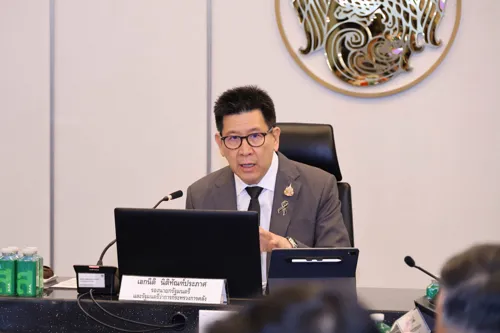
Thailand's data center policy board has mandated operators using ≥0.5 MW to register with the Digital Economy Ministry, establishing a central registry for regulatory oversight. Three committees are racing to finalize minimum operational standards, infrastructure, zoning, and environmental guidelines by September, with a Dashboard TH-DC system under development to support compliance. This signals the state's push to harness data center growth for digital economy expansion while managing environmental and social impacts.

▾ Hover for summary ▾ Tap for summary
SCB and FWD have launched 'Infinity Legacy', a new life insurance product covering policyholders up to age 120—the longest coverage period in Thailand. Targeting affluent customers aged 60–90, it shifts insurance from simple mortality protection to comprehensive wealth legacy planning and tax management. The product requires minimum insurable amount of 20 million baht with flexible short-term payment (lump-sum or 2 years), addressing Thailand's aging society and rising demand for intergenerational wealth transfer solutions as baby boomers plan succession.

 Empower businesses to thrive in the digital age.
▾ Hover for summary ▾ Tap for summary
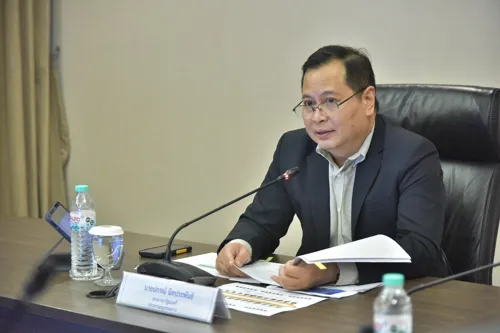
The Thai government approved 42 subsidiary law amendments proposed by private sector representatives, including measures to streamline QR Code product labeling, update spa business regulations, implement hourly minimum wage systems in retail/hospitality, and enhance cross-border logistics through clearer transit procedures and High Cube container regulations. These changes aim to reduce business compliance costs and operational delays.
▾ Hover for summary ▾ Tap for summary
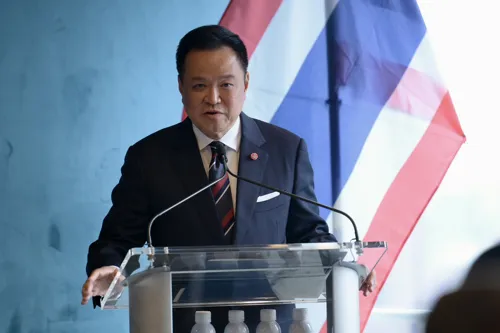
PM Anutin expressed confidence that ongoing US tariff negotiations led by Deputy PM Supachee will succeed, emphasizing Thailand's need to balance trade with both China and the US. With Thailand exporting $125 billion to the US and facing a $70 billion trade surplus, he argues Thailand cannot afford diplomatic isolation and must maintain pragmatic middle-ground positioning rather than choosing sides—a strategic reality given Thailand is not a superpower and depends on these critical trade relationships.
▾ Hover for summary ▾ Tap for summary
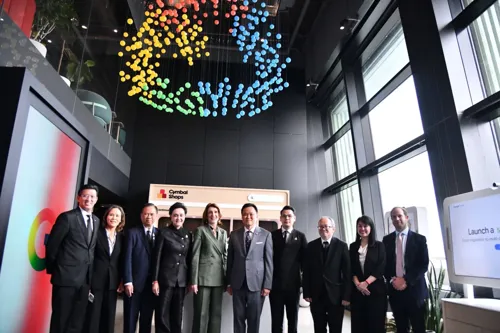
Thai PM Anutin met Google's investment chief in New York to advance plans for an environmentally-friendly Data Center standard and a new Open Data Institute for digital skills training. Google's USD 1 billion investment in Thailand—including Chachoengsao data center and Bangkok cloud infrastructure—is proceeding; the government aims to deepen cooperation on AI, digital transformation, and workforce development. Multiple US firms showed renewed interest in Thai investment.

▾ Hover for summary ▾ Tap for summary
The article addresses competitive pressures on AI agent startups as Meta enters the space. Given the tech site origin (TechInAsia), this likely covers how Meta's resources and platform leverage could impact independent AI agent startups' market viability and funding prospects—relevant for Thai tech entrepreneurs evaluating AI opportunities.
 Your real translator for LINE and Discord.
September 23, 2026
▾ Hover for summary ▾ Tap for summary
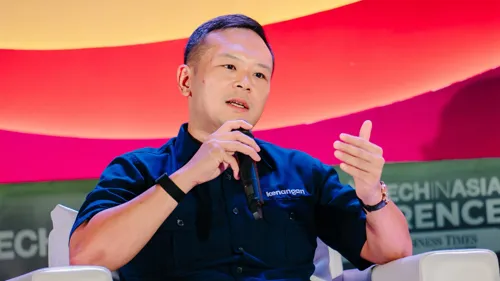
Kopi Kenangan founder is increasing their ownership stake through secondary share purchases. This signals continued confidence in the coffee chain's valuation and growth trajectory, particularly relevant as Southeast Asia's IPO-hopefuls look to 2026 for market recovery. For Thai SMEs in food/beverage or tech-enabled retail, this shows how founder reinvestment can strengthen valuations ahead of potential public market entry.

▾ Hover for summary ▾ Tap for summary
Discord has reactivated age verification for users after initially delaying the rollout due to privacy concerns. The system uses automated methods (account age, server participation) and new options including credit card entry, app store data, and AgeKey service to classify users into Adult (18+), Teen (13-17), or Unconfirmed groups, with content restrictions applied accordingly. This affects platform safety and user privacy — important for SMEs using Discord for community/team communication to understand age-gating implications for their servers.
▾ Hover for summary ▾ Tap for summary
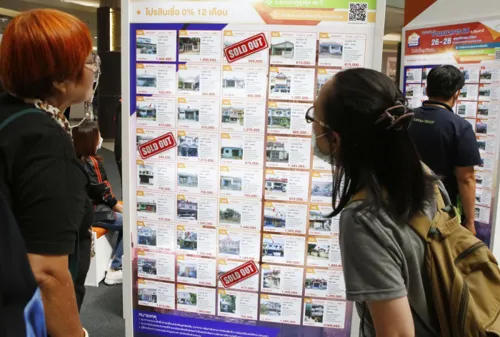
Thailand's resale condo market surged 39.4% YoY in Q2 2026, with higher-priced units driving growth while affordable properties declined. Despite strong transaction volumes, household purchasing power remains constrained by debt and economic uncertainty. Developers must differentiate through affordability and product innovation rather than relying on broad market recovery.

▾ Hover for summary ▾ Tap for summary
Khao San tourism operators face a collapse in bookings this high season due to the Middle East conflict dampening long-haul backpacker travel, plus a new cannabis control bill expected to force 50%+ of operators out of business. Cannabis shops along the road will lose revenue and face mandatory medical licensing costs of 30,000–50,000 baht/month, with roughly half of ~100 dispensaries expected to close. Price-sensitive mid-range hotels are hit hardest as guests cut spending or cancel trips.

 Want to buy or sell a business?
▾ Hover for summary ▾ Tap for summary
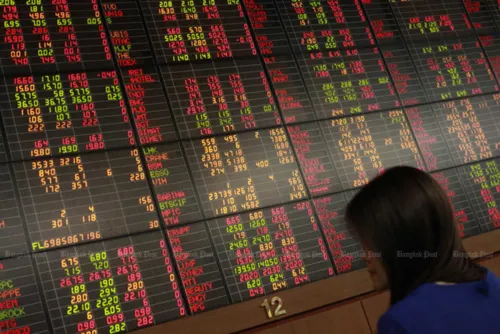
Thailand's Commerce Ministry is tightening company registration rules with stricter checks on shareholders and investment fund sources. The enhanced framework expands inspections beyond initial registration to monitor subsequent changes in ownership structures, director appointments, and authorized signatory designations. Foreign investors and nominee arrangements will face increased scrutiny, though the government emphasizes the goal is preventing illegal structures (not discouraging legitimate investment) by enabling better inter-agency coordination and risk-based screening to catch potential breaches while maintaining transparency.
▾ Hover for summary ▾ Tap for summary
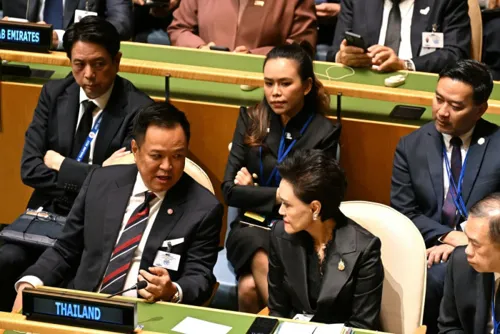
Thai government officials, including the Deputy Prime Minister and Commerce Minister, are actively engaging with international investors and tech leaders to position Thailand as a regional digital and AI economic hub. Key initiatives focus on digital infrastructure, workforce development, cybersecurity, and attracting global investment. The government is also preparing for OECD membership and managing the energy transition, with visits to international forums like the UN General Assembly aimed at strengthening investor confidence.
▾ Hover for summary ▾ Tap for summary
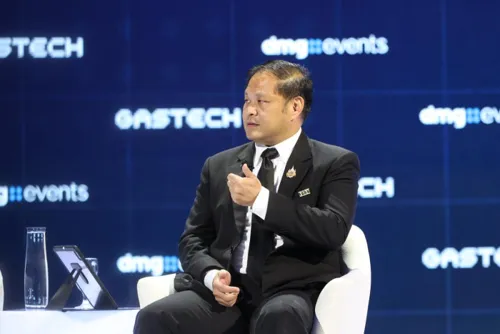
Thailand's energy authority (Egat) faces escalating electricity demand from data centres and heavy industries, forcing dependence on costly imported LNG despite domestic gas decline. Security requires balancing fuel supply reliability, affordability, and sustainability—complicated by global price volatility. Egat is upgrading grid infrastructure with a proposed $1 billion investment to handle AI data centre load spikes and planning battery backup systems in high-demand areas to prevent blackouts.
▾ Hover for summary ▾ Tap for summary
Sea is poised to become the first Southeast Asian nation to adopt Nvidia's Vera Rubin technology, signaling a major infrastructure investment in AI/data infrastructure for the region. This move could strengthen Sea's position as a tech hub and attract further tech investment, though the full scope of implementation and business impact remains unclear from the available information.
 Together GoWeGo! Ferry tickets in Thailand.

▾ Hover for summary ▾ Tap for summary
Thai SMEs face an irreversible structural shift: Chinese capital has captured e-commerce dominance, squeezing middlemen out of the market, while ~50% of consumer spending leaks offshore to foreign platforms (fees + ads). The article showcases how individual brands like "Bua Keun Cheeep" achieved 1.6B baht revenue by pivoting to export markets with government support, signaling that survival requires adopting Global Mindset, building CEO branding, and community trust—not competing on price in the commoditized domestic online channel.
▾ Hover for summary ▾ Tap for summary
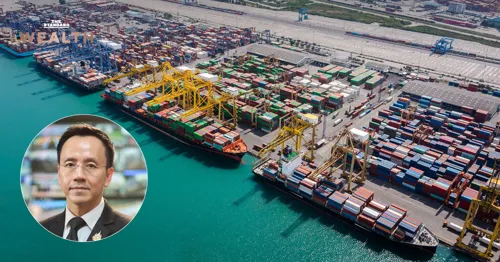
Thailand's Customs Department reported collecting 112.5 billion baht in customs revenue (FY2569), falling 4 billion short of the 116.3-billion target due to increased FTA agreements and BOI investment incentives reducing tariff income. The removal of the de minimis threshold in January 2569 generated 8 billion baht (4.7B tariffs, 3.4B VAT) from 43.4 billion baht in imports, but the director noted this 10% collection rate alone is insufficient for SME support. The department is convening platform operators to explore additional measures promoting Thai small businesses and launched six strategic projects including ICD unlocking, customs law reform, and air freight facilitation.

▾ Hover for summary ▾ Tap for summary
WinRAR has relaunched its official collaboration messenger bag with fashion brand tern, priced at $150 (~5,000 THB). The restock sold out quickly after its February 2025 debut. WinRAR's official X account humorously joked that free users (essentially everyone) should buy the bag instead of a license—a tongue-in-cheek nod to the app's ubiquitous unlicensed use. Revenue from bag sales supports the WinRAR development team directly, offering users an alternative way to contribute to the software's development.
▾ Hover for summary ▾ Tap for summary
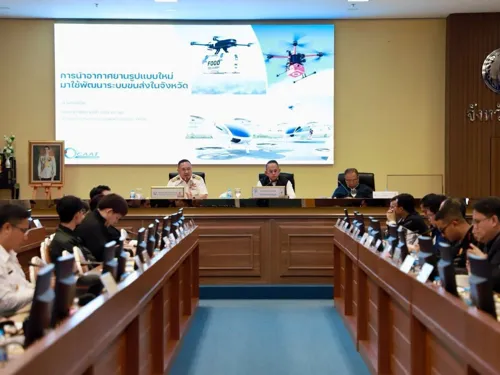
Phuket is piloting Advanced Air Mobility (AAM) technology with CAAT approval, deploying drones and electric vertical takeoff aircraft (eVTOL) on four routes connecting airport–Patong Beach–hospitals. A northern helipad base will serve as an Airport Feeder Service hub to reduce traffic congestion, cut emergency response times, and support premium tourism. Safety assessments and route surveys must pass before CAAT permits operations; public–private coordination is underway through a provincial working group.

 Stop running your company on Excel.