
Archive
August 26, 2026
▾ Hover for summary ▾ Tap for summary
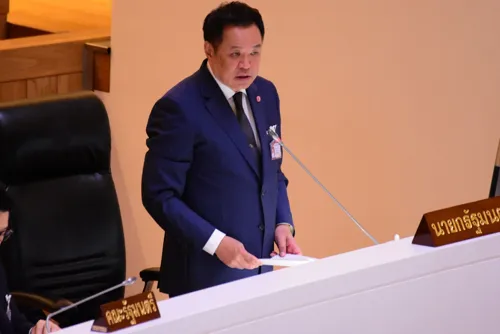
Thailand's PM presented a 400-billion-baht emergency decree to Parliament to address an energy crisis and fund transition to renewable energy. The borrowing targets reducing living costs and business expenses while accelerating renewable adoption. Government asserts public debt will remain below 70% of GDP. This directly impacts SME operating costs and energy procurement strategy going forward.

▾ Hover for summary ▾ Tap for summary
Eight Thai listed companies announced interim dividend payments following board meetings on 25 August 2026, with ex-dividend dates clustered in early September. BCP leads with 3.00 baht/share, followed by TISCO (2.00), RATCH (0.70), TIPH (0.50), OR (0.30), HMPRO (0.16), TTB (0.081, up 23% YoY), and CIMBT (0.0385). Most XD dates fall 7–9 September 2026. This is actionable for retail and institutional investors managing dividend capture strategies and portfolio rebalancing ahead of the settlement period.
▾ Hover for summary ▾ Tap for summary
Huawei and HP have entered into a multi-year Wi-Fi patent licensing agreement. This type of deal signals ongoing patent cross-licensing in the tech hardware space and is typical of large tech companies managing intellectual property disputes and collaborative development. Relevant for Thai tech SMEs tracking major vendor partnerships and licensing trends, though the direct impact on local businesses remains limited.

▾ Hover for summary ▾ Tap for summary
MTS Gold (Mae Thong Sook) is escalating industry pushback against proposed gold tax measures, with Chairman Dr. Krichrat announcing plans to meet Finance Minister Ekniti this week. The argument centers on competitiveness: developed markets like Singapore and Hong Kong have zero gold tax to attract capital; Thailand abolished gold tax in 1998, growing the market 1,000%, and reintroducing it could disadvantage local operators while other regional hubs compete via tax incentives. The outcome may shape Thailand's positioning as a regional gold trading hub.

 Empower businesses to thrive in the digital age.
▾ Hover for summary ▾ Tap for summary
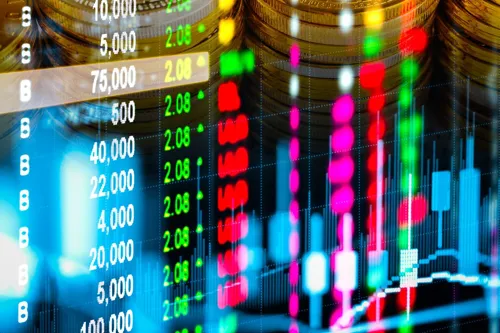
Philip Securities forecasts the Thai stock market to trade sideways within 1,585–1,600 points today, pressured by soft oil prices (WTI near $80/barrel) and awaiting the Bank of Thailand's monetary policy decision and July US PCE inflation data. Investment themes highlight four strategies: growth stocks (H2 2026), bank/finance plays from steady rates (KKP, KTB, SCB, BBL), Thailand Focus arbitrage names (AOT, CENTEL, PTT, SCC), and dividend accumulation picks. Market focus hinges on BOT's economic outlook statement for H2 2026—a negative tone could trigger retail and industrial estate weakness.
▾ Hover for summary ▾ Tap for summary
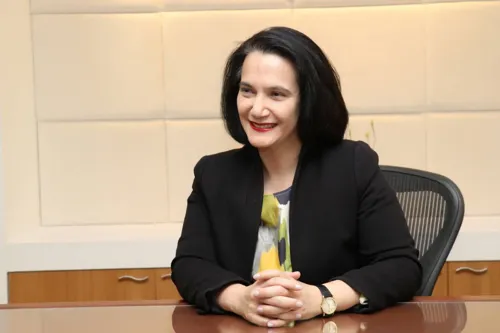
Thailand's Ministry of Finance has issued formal guidelines allowing state agencies to reserve 2026 budget funds for carryover spending (without spending limits) when binding contractual obligations exist. Agencies must document reserves through the New GFMIS Thai system and complete the process by end of September 2026. This enables continuous budget circulation while ensuring compliance with the 2018 Budget Procedure Act—relevant for government contractors and project-dependent SMEs managing cash flow with public sector clients.

▾ Hover for summary ▾ Tap for summary
Dr. Kai-Fu Lee argues that AI is far more transformative than the "Fourth Industrial Revolution" comparison suggests. As AI becomes near-free and ubiquitous, organizations must shift from implementing surface-level AI apps (200–800 apps with no clear ROI) to building Enterprise Universe Models that give AI proper business context. The future organizational structure will replace hierarchical pyramids with DRI (Directly Responsible Individual / Mini-CEO) roles empowered with AI agents as "digital staff," enabling flat structures where humans provide accountability and creativity while AI handles execution. SMEs must urgently adapt: the economic upside is 5–10x GDP growth over 5–10 years, but only for organizations that use AI strategically—not as a gimmick—and train workforces to collaborate effectively with AI.
▾ Hover for summary ▾ Tap for summary
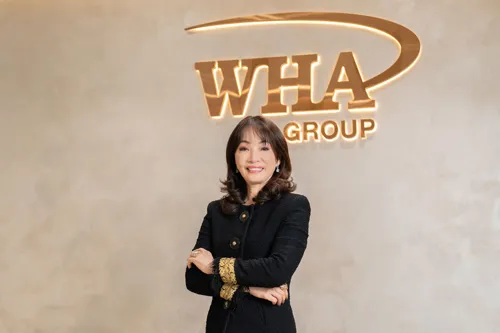
WHA Group CEO outlines a strategic pivot from traditional warehouse/logistics rental toward an integrated infrastructure ecosystem spanning industrial parks, energy, automation, and digital services over the next 2 years. The company is positioning itself to capitalize on energy-intensive AI/data center growth by bundling clean energy, SMR technology, and digital platforms with real estate—moving beyond land and facility leasing toward high-value service layers. This signals opportunity for Thai SMEs in supporting sectors (power, automation, connectivity) but also implies rising complexity and consolidation in logistics/industrial infrastructure.
 Your real translator for LINE and Discord.
▾ Hover for summary ▾ Tap for summary
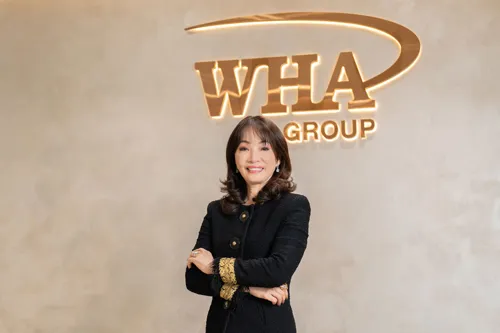
WHA Group's CEO outlines a strategic 2-year vision repositioning the company from pure logistics/industrial park operator into an integrated infrastructure and digital ecosystem player. Key pivots include expanding into green energy, automation, SMR technology, and data centers—leveraging its ~3M sqm portfolio and 1,200+ clients. The strategy reflects Thailand's transition into future industries while hedging against supply-chain diversification away from China. Critical for SMEs in logistics, manufacturing, and tech seeking infrastructure partnerships aligned with energy and AI trends.
▾ Hover for summary ▾ Tap for summary
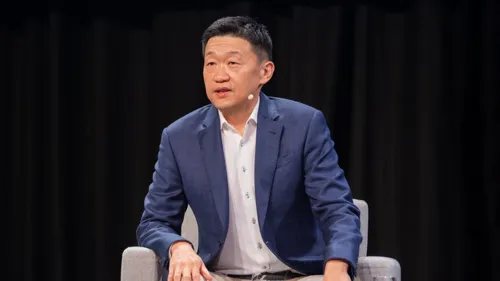
Interview with Forrest Li, founder of Sea Group, discussing strategies for scaling the regional tech giant, advances in AI-powered bots, and lessons in entrepreneurial perseverance. Relevant to Southeast Asian tech leadership and SME growth strategies, though full content is inaccessible without enabling JavaScript.
▾ Hover for summary ▾ Tap for summary
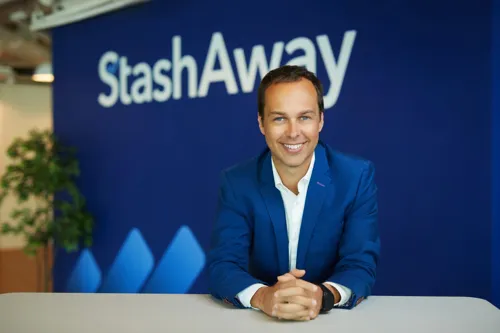
StashAway, a Southeast Asian wealthtech platform, has acquired MakeGoodwill, a digital wills startup. This M&A move signals consolidation in the fintech/wealthtech space and reflects interest in estate planning services as part of broader wealth management offerings in the region.

▾ Hover for summary ▾ Tap for summary
Crude oil prices (Brent and WTI) fell 2–4% on 25 August following diplomatic progress between Iran and Oman on establishing a temporary joint shipping corridor and clearing explosives in the Strait of Hormuz. U.S. political pressure—reflected in declining approval for military escalation ahead of November midterm elections—reduced near-term conflict risk. However, the passage remains high-risk; a tanker was recently attacked off Oman's coast, underlining ongoing geopolitical threats to energy transport routes.

 Want to buy or sell a business?
▾ Hover for summary ▾ Tap for summary
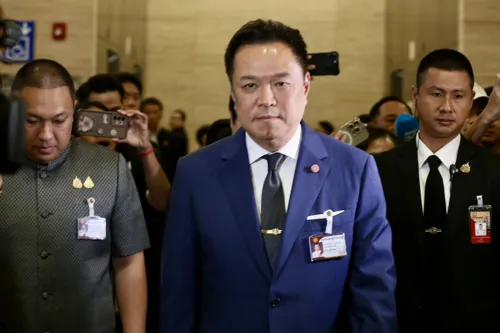
Thailand's parliament began debate on a 400 billion baht emergency loan decree, with the government confident of passage given its legislative majority. The opposition is targeting scrutiny of 200 billion baht allocated for energy transition, questioning whether the urgent borrowing is necessary given alternative funding sources (private sector, SOEs, existing funds) and expressing concerns about fiscal discipline and potential contractor favoritism. The energy transition package forms the core of opposition scrutiny despite their expectation the decree will pass.

▾ Hover for summary ▾ Tap for summary
Global refining capacity is under severe stress from the Iran-Ukraine conflict, with Middle East refineries under attack, Russian capacity crippled by drone strikes (40% offline), and China cutting exports. Only US Gulf Coast refineries can meet demand, running at full capacity—creating windfall profits for US oil majors like Exxon ($160M/day in Q3) and elevated diesel crack spreads ($102/barrel). This supply squeeze is manageable but leaves no margin for error as markets enter peak seasonal demand.
▾ Hover for summary ▾ Tap for summary
The Stock Exchange of Thailand (SET) is hosting its annual Thailand Focus 2026 event (Aug 26-28) featuring 78 listed companies, including 16 high-growth JUMP+ firms like BBIK, JMT, and MGC. These companies, totaling ~15 trillion baht (74% of market cap), will present 3-year business expansion plans focused on AI adoption, infrastructure, and profitability gains. Historical data shows Thai equities average +2.44% returns in the 3 weeks following the event, with participation from 5 ASEAN stock exchanges expected to boost foreign fund inflows. Key investment themes are shifting from traditional sectors (construction, retail) toward electronics, banking, and industrial estates.

▾ Hover for summary ▾ Tap for summary
Agricultural Products Market Organization (AOPM/อ.ต.ก.) is negotiating a 10-year lease extension with the State Railway of Thailand (SRT) for a 35-rai property near Phahonyothin, with SRT demanding structural changes to office space and parking areas to accommodate Thailand's Office of the Attorney General's new building. Simultaneously, the Bangkok Metropolitan Administration faces a 1.3-billion-baht debt and decision to either return the 68-rai Chatuchak Market to SRT or continue operations under new terms. AOPM vendors report sales collapsed 50–60% since COVID, complicating renewal urgency amid lease and rate uncertainty.
 Together GoWeGo! Ferry tickets in Thailand.
▾ Hover for summary ▾ Tap for summary
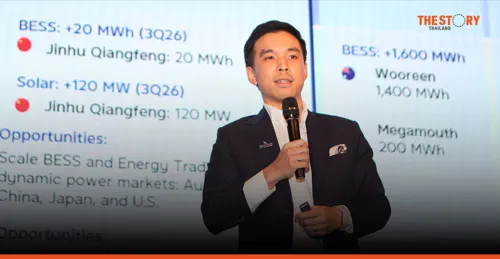
Banpu completed a major merger of its energy subsidiaries on 31 July 2026, consolidating upstream gas, power generation, and energy storage under one listed entity. The combined company targets 1.5x EBITDA growth by 2028 and is positioning itself for data center demand through dual 1.5 GW gas plants in Texas (Temple I & II), with long-term power contracts worth 1.5 GW expected by late 2026/early 2027. This restructuring reflects Banpu's pivot toward AI/data-center-driven energy demand and carbon transition, with Q2 2026 EBITDA up 22% QoQ to $327M.

▾ Hover for summary ▾ Tap for summary
Zoom's latest quarterly earnings came in below analyst expectations as the company continues significant investment in AI capabilities for its meeting platform. The earnings miss suggests profitability pressures from R&D spending on AI features, which could impact near-term margins but reflects Zoom's strategic pivot toward AI-enhanced communications.
▾ Hover for summary ▾ Tap for summary
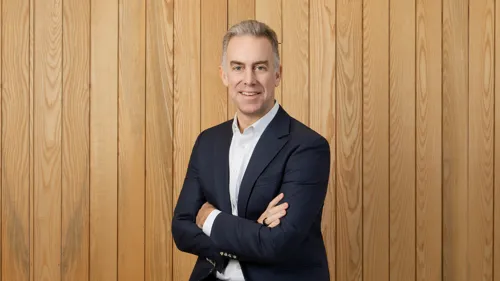
Mekong Capital, a prominent Southeast Asia venture fund, is adopting a cautious stance toward pure AI-native startups while managing its portfolio toward liquidity events (IPOs). This signals a strategic pivot from earlier AI boom investments, reflecting the fund's maturation phase and focus on de-risking established portfolio companies rather than speculative bets on unproven AI models.
▾ Hover for summary ▾ Tap for summary
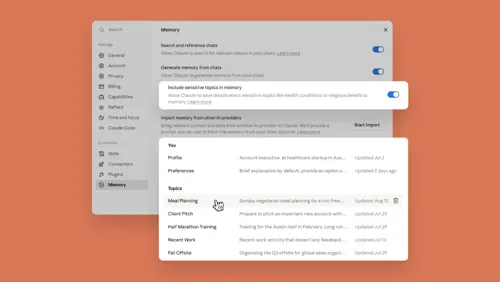
Anthropic has unified the Memory system across Claude Chat and Claude Cowork, enabling consistent user context across all tools without redundant explanations. The memory system stores user preferences and work context, available by default on Free, Pro, and Max plans, with optional controls for health/belief data. This reduces friction in multi-step workflows and improves continuity between chat and collaborative work sessions.

 Stop running your company on Excel.