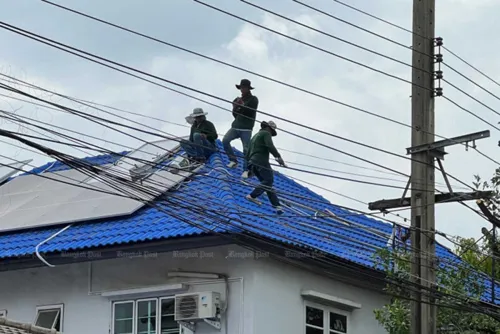
Thailand's household rooftop solar initiative is a positive start for energy transition, but faces structural challenges. Installation costs have fallen significantly, making residential solar viable for daytime users, but battery storage costs remain expensive. The country's centralized electricity procurement system (Egat monopoly) and lack of full market liberalization limit clean energy adoption. Policy priorities should include broadening grid access for private producers, setting fair connection fees, and gradually diversifying beyond solar to biomass, hydropower, and wind.
← Back to all articles