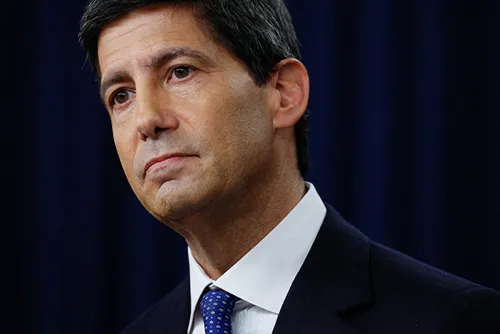
The US Federal Reserve, led by Chair Kevin Warsh, raised interest rates for the first time in over 3 years in mid-September after persistent inflation failed to subside. This shift—from previous "hawkish rhetoric" to actual action—signals a stricter monetary stance. The rate hike, coupled with stronger forward guidance, directly impacts Thailand through three channels: baht depreciation (toward ~33.8 per USD), outflow pressure on emerging-market capital, and constraints on the Bank of Thailand's policy flexibility as it must balance supporting domestic growth against currency stability. The outcome ultimately depends on oil prices driven by Middle East geopolitics, not Washington policy alone.
← Back to all articles