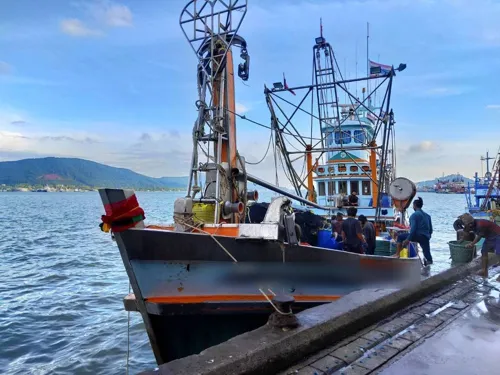
Thailand faces a 12.5% additional tariff under US Section 301 forced labor rules—2.5% higher than Ecuador and Indonesia. Thai tuna (29.7% US market share) is well-positioned to absorb the cost difference due to strong processing infrastructure, but Thai shrimp (4.5% market share) faces acute pressure as it competes on price against lower-tariffed rivals. The Fisheries Department is rolling out five counter-measures, including import controls for forced-labor-risk products and cost-structure reforms, to shore up competitiveness and prevent labor issues from becoming a lasting trade barrier.
← Back to all articles