
Archive
July 31, 2026

▾ Hover for summary ▾ Tap for summary
Mega Bangna's integration of points accumulation into a mobile app represents a digitalization move by a major Thai retailer to enhance customer loyalty and engagement, signaling broader retail modernization trends in Thailand.

▾ Hover for summary ▾ Tap for summary
Automation tools for security fixes can significantly reduce remediation costs for SMEs and tech companies; evaluate adoption for cost efficiency and faster vulnerability response.
▾ Hover for summary ▾ Tap for summary
Chinese AI startup MiniMax has released its H3 video generation model, representing a competitive advancement in AI video synthesis technology.
▾ Hover for summary ▾ Tap for summary
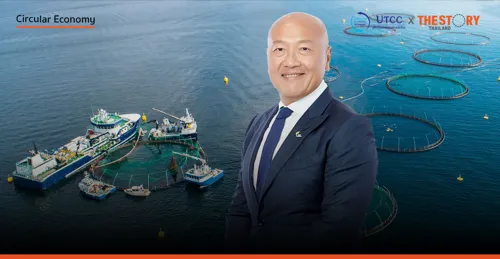
Thai Union's circular economy model demonstrates how large Thai manufacturers can convert waste into revenue streams while meeting global sustainability standards—a replicable playbook for other Thai SMEs and industrial companies looking to compete internationally.

 Empower businesses to thrive in the digital age.

▾ Hover for summary ▾ Tap for summary
Thailand's Energy Ministry is implementing price controls on oil to mitigate cost-of-living impacts, but LNG costs have surged ~60%—SMEs in transport, manufacturing, and logistics should monitor energy surcharges and plan accordingly.

▾ Hover for summary ▾ Tap for summary
Claude AI's data breach affecting 3 companies signals serious security vulnerabilities in large language models that Thai SMEs using AI tools must address immediately through vendor security assessments and data protection protocols.

▾ Hover for summary ▾ Tap for summary
Thai SMEs can gain competitive advantage over AI systems by leveraging proprietary or unique data sources rather than relying solely on prompt optimization; this emphasizes the importance of data collection and curation strategies for businesses.

▾ Hover for summary ▾ Tap for summary
Thailand's Chamber of Commerce reframes the trade deficit narrative, suggesting it reflects structural economic transformation rather than danger—relevant for SMEs navigating shifting market dynamics and policy frameworks.
 Your real translator for LINE and Discord.

▾ Hover for summary ▾ Tap for summary
The Thai Commerce Ministry is tightening company registration requirements starting August 1st by mandating bank statement submissions to combat nominee ownership schemes. SMEs and entrepreneurs must prepare bank documentation ahead of registration to avoid delays and ensure compliance with new anti-fraud regulations.

▾ Hover for summary ▾ Tap for summary
Thailand's Commerce Ministry is proposing legal reforms to tighten foreign business regulations and close nominee ownership loopholes in response to US tariff pressure—critical for SMEs operating in trade-sensitive sectors to monitor regulatory changes.

▾ Hover for summary ▾ Tap for summary
Mind-Centric Marketing emphasizes psychological insight over basic customer data—SMEs can improve conversions by understanding consumer emotions and decision-making triggers rather than relying on demographics alone.

▾ Hover for summary ▾ Tap for summary
Thai SMEs must adapt to zero-click search behavior by implementing GEO-targeted strategies that make their brands visible to AI systems, directly impacting consumer trust and discoverability in an increasingly AI-driven marketplace.

 Want to buy or sell a business?

▾ Hover for summary ▾ Tap for summary
China's Kimi K3 release has intensified US-China AI competition, prompting White House concern over advanced Chinese AI capabilities; Thai SMEs should monitor geopolitical AI trade restrictions that could affect access to development tools and services.

▾ Hover for summary ▾ Tap for summary
Over 1,300 AI industry insiders are publicly calling for slowed AI development, signaling growing concern within the tech sector about safety and governance—Thai SMEs should monitor how this industry consensus shapes regulatory requirements and market opportunities in emerging AI sectors.

▾ Hover for summary ▾ Tap for summary
Radisson's major 89-property expansion across Southeast Asia signals continued recovery in the hospitality sector and creates potential B2B opportunities for Thai suppliers and service providers in hotels and tourism infrastructure.

▾ Hover for summary ▾ Tap for summary
Thai brands targeting Gen Z should adopt "dopamine management" strategies—balancing gratification with meaningful value—to stand out in an oversaturated market where constant novelty-seeking drives consumer fatigue.
 Together GoWeGo! Ferry tickets in Thailand.
▾ Hover for summary ▾ Tap for summary
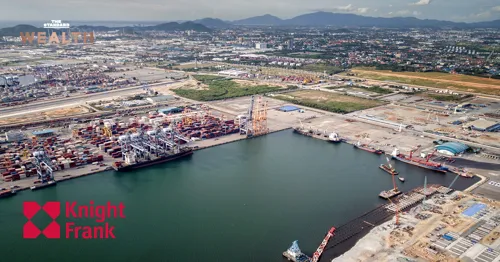
Knight Frank reports significant price increases in industrial land during H1 2026, driven by specific capital groups entering the market—SMEs should monitor competitive pressures and acquisition strategies from larger players in the industrial property sector.
▾ Hover for summary ▾ Tap for summary
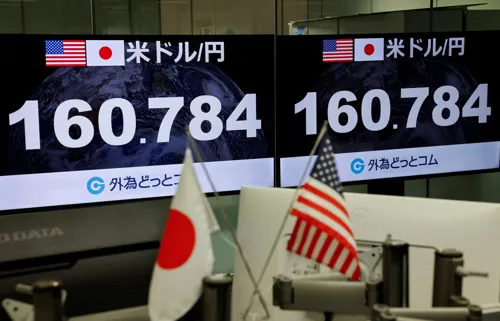
A stronger yen may affect Thai SMEs' import costs from Japan and their export competitiveness in yen-denominated markets; monitor currency movements for supply chain pricing adjustments. The Japanese government's non-intervention stance could signal further yen appreciation in coming weeks.

▾ Hover for summary ▾ Tap for summary
This article outlines 7 legal compliance standards for condominium buildings in Thailand, providing a practical checklist for developers and property owners to manage structural and regulatory risks. Essential guidance for SMEs in real estate to ensure projects meet current building control requirements.

▾ Hover for summary ▾ Tap for summary
White Story's integrated approach to product development and pricing strategy offers practical insights for Thai SMEs seeking to optimize customer acquisition and profitability; applicable case study for improving brand competitiveness.

 Stop running your company on Excel.