
Archive
August 1, 2026
▾ Hover for summary ▾ Tap for summary
The US has expanded import restrictions to 43 additional companies citing forced labor concerns in China's Uyghur regions, which may disrupt supply chains for Thai SMEs sourcing from affected sectors.
▾ Hover for summary ▾ Tap for summary
Trump pauses military action against Iran in pursuit of diplomatic negotiations, with potential implications for regional stability and energy markets.
▾ Hover for summary ▾ Tap for summary
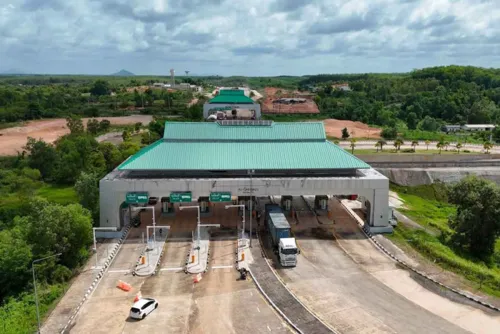
The Sadao Border Checkpoint, Thailand's busiest land crossing between Songkhla and Malaysia's Bukit Kayu Hitam, is upgrading infrastructure and services to handle over 6 million annual travellers. New facilities include modernized CIQ terminals, expanded cargo logistics, and X-ray scanners. Provincial authorities plan to build a connector road to nearby communities and improve safety measures. This infrastructure push targets growth in cross-border trade and tourism in the lower south region, though execution timelines and budget allocation remain subject to Senate oversight.
▾ Hover for summary ▾ Tap for summary
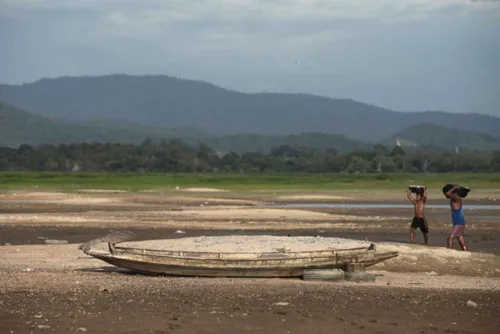
A Super El Niño event is forecast to hit Thailand from October 2024 through early 2027, bringing significant rainfall shifts and drought risk. The Thai Meteorological Department warns of at least 10% lower rainfall, reservoir capacity constraints, and an expected 20% decline in second-crop rice production due to water shortages. Authorities are implementing water conservation measures and alternate irrigation systems to mitigate impacts on agriculture and water security across the country.

 Empower businesses to thrive in the digital age.

▾ Hover for summary ▾ Tap for summary
Great Wall Motors (GWM) became the first automaker to fully meet Thailand's EV 3.5 incentive scheme requirements in July 2025, committing to increase domestic component sourcing above 50% to strengthen the local supply chain. The company operates a multi-platform factory in Rayong capable of producing 80,000 vehicles annually (BEV, HEV, and ICE), supporting Thailand's "30@30" policy to establish ASEAN's EV manufacturing hub.

▾ Hover for summary ▾ Tap for summary
Lamrit Group is investing 200 million baht to develop "The O2 Bangkok," a 4-storey integrated sports and wellness complex near MRT Bang Aw station. The facility combines sports facilities (badminton, paddle, ping-pong, fitness, basketball) with medical rehabilitation and sports medicine clinics, capitalizing on Thailand's surging wellness market (valued at 1.4 trillion baht, growing 10.1% annually). The company targets 3.5 million annual visitors and 50-100 million baht in yearly revenue, positioning the venue as a hub for sports medicine, health tech entrepreneurship, and medical tourism—sectors showing strong growth potential for Thai SMEs.

▾ Hover for summary ▾ Tap for summary
A financial philosophy column drawing on "The Psychology of Money" to distinguish between wealth-building and wealth-preservation skills. The article uses Warren Buffett's story to illustrate how earning returns differs fundamentally from surviving market downturns—success requires humility, risk management, and long-term resilience. For SMEs, the key lesson is that survival through volatility matters more than peak performance, and contingency planning for failure is as critical as optimistic planning for growth.
▾ Hover for summary ▾ Tap for summary
Two tanker vessels reported incidents off Oman in a geopolitically sensitive maritime zone; potential implications for global shipping costs and energy logistics affecting Thailand's import-export operations.
 Your real translator for LINE and Discord.

▾ Hover for summary ▾ Tap for summary
Thailand's government is moving to strengthen regulation of online platforms and consumer protection frameworks. The Deputy PM to the Prime Minister's Office is directing tighter oversight of e-commerce platforms dealing with counterfeit goods, and is advancing legislation for collective consumer remedies and class action lawsuits. This regulatory push impacts all SMEs operating in digital commerce and marketplace platforms.
▾ Hover for summary ▾ Tap for summary
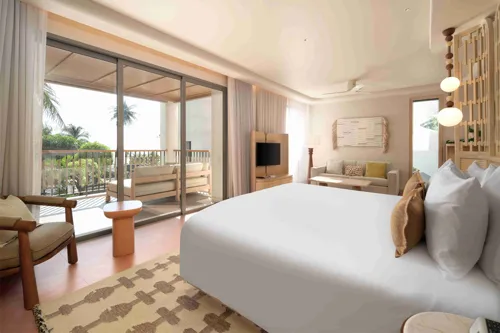
Centara Hotels is investing billions of baht to convert its Centara Grand Beach Resort and Villas in Krabi into a luxury "Centara Reserve" property, slated for opening in December. This is the company's second Reserve-branded hotel and signals a strategic push into the high-end luxury tourism segment, targeting affluent travelers seeking cultural experiences and personalized service rather than traditional opulence. The move reflects Thailand's broader shift toward "Quiet Luxury" destinations in Asia.
▾ Hover for summary ▾ Tap for summary
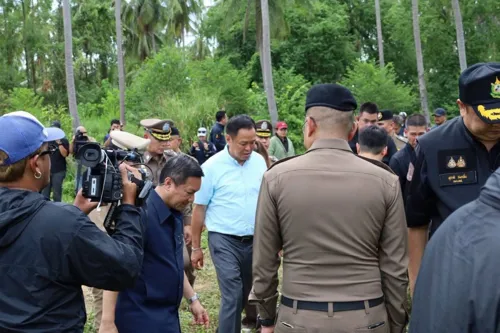
A high-profile murder case in Chonburi involving Russian tourists has prompted the Prime Minister to visit the crime scene and publicly reject any sentence reduction for the perpetrator. While expressing sympathy for victims' families and apologizing to Russian nationals, the PM emphasized this is an isolated criminal act and reaffirmed Thailand's overall safety record. The government is vowing stricter law enforcement and a thorough judicial process.

▾ Hover for summary ▾ Tap for summary
Thailand's Ministry of Higher Education and the National Innovation Agency (NIA) completed the PPCIL Cohort 8 leadership programme, culminating in 5 policy innovation proposals addressing structural challenges including demographic decline (TFR 1.0), workforce transformation, and wellness economy positioning. The curriculum emphasized cross-sector collaboration and systems thinking over technology alone, with proposals tested iteratively in the field. This signals a strategic pivot toward policy-driven innovation as a national priority—relevant for SMEs seeking to align with government initiatives and shape future regulatory environments.

 Want to buy or sell a business?
▾ Hover for summary ▾ Tap for summary
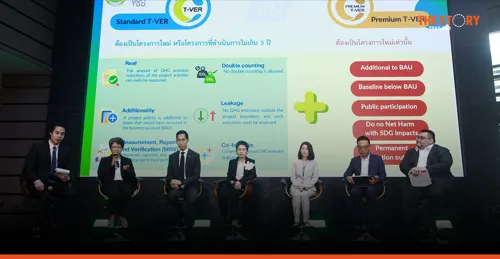
Thailand's voluntary carbon market is undergoing fundamental transformation from price-based competition to quality and credibility focus. The Thai Greenhouse Gas Management Organization's 2026 market outlook reveals buyers now prioritize carbon credit authenticity, international recognition, and co-benefits (especially biodiversity) over cost. This shift is accelerated by pending Climate Change Act implementation and introduction of Thailand's Premium T-VER standard. A parallel mandatory carbon trading system (ETS) is expected to launch next year, allowing 10% offset from voluntary credits. While 77% of Thai businesses see climate action as opportunity, only 56% have conducted emissions assessments, signaling untapped demand and significant SME market readiness implications.

▾ Hover for summary ▾ Tap for summary
This article appears to be a curated list or directory of 80 top-funded Southeast Asian startups and tech companies. While the actual content is inaccessible (JavaScript required), such roundup articles are valuable reference material for understanding the regional tech landscape, identifying competitive players, and spotting investment trends. Relevant for SMEs seeking competitive intelligence and market positioning insights.
▾ Hover for summary ▾ Tap for summary
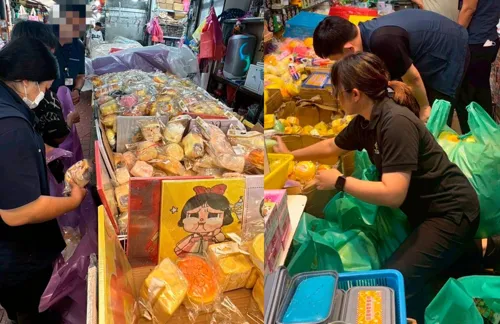
Thai authorities seized nearly 20,000 non-standard squishy toys containing potential carcinogens and heavy metals; SMEs importing or manufacturing toy products should ensure compliance with Thai industrial standards (มอก.) to avoid regulatory action and reputational damage.
▾ Hover for summary ▾ Tap for summary
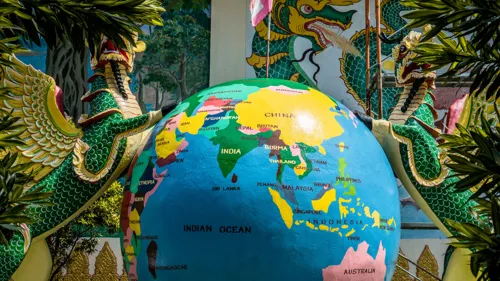
A roundup of 50 emerging Southeast Asian startups provides benchmarking opportunities for Thai SMEs to understand competitive positioning and identify market trends across the region.
 Together GoWeGo! Ferry tickets in Thailand.
▾ Hover for summary ▾ Tap for summary
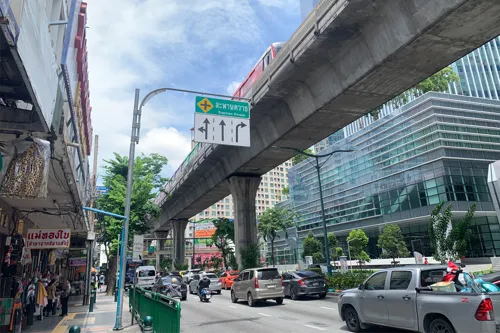
Electric train infrastructure development in the Saphan Khwai area is driving significant property redevelopment, with major developers converting cinemas into condominium projects—relevant for real-estate SMEs tracking urban expansion opportunities and shifting commercial asset values in Bangkok.
▾ Hover for summary ▾ Tap for summary
Thailand's personal income tax base is critically narrow: only 5.14 million out of 12.57 million tax filers (40.9%) actually pay tax, with 59.1% falling below the 150,000 baht exemption threshold. The tax burden is heavily concentrated—just 1% of filers contribute 50.1% of total personal income tax revenue. This structural imbalance poses a major fiscal challenge for government budget sustainability and revenue reform.
▾ Hover for summary ▾ Tap for summary
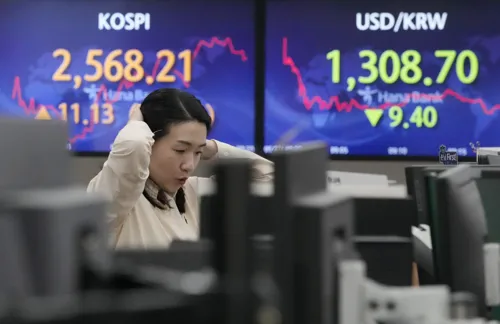
South Korean retail investors are experiencing significant losses in leveraged ETFs amid market volatility, highlighting the systemic risks of using complex derivatives without proper risk management—a cautionary tale for Thai SME investors considering similar instruments.

▾ Hover for summary ▾ Tap for summary
7-Eleven's expansion into Laos—particularly at high-traffic locations like Vientiane railway station—signals Thai retail operators' growing strategy to capture cross-border ASEAN markets and tourism-driven revenue. SMEs in logistics, supply chain, and local retail should monitor how regional convenience store chains adapt to new markets.

 Stop running your company on Excel.