Archive
November 22, 2026

▾ Hover for summary ▾ Tap for summary
Thailand's Finance and Industry ministers met six Japanese automakers (Toyota, Honda, Isuzu, Mitsubishi, Mazda, Nissan) in Tokyo on 20 November 2026 to explain the new excise tax structure. Fully imported BEVs and REEVs with no Thai production base will be taxed at 35% from 1 January 2027. Imported cars from makers with a local base, and locally made cars, will get tax treatment tied to investment, employment and local parts use. Details are still open to public consultation. The automakers announced about 134,000 million baht of investment over 2026-2030. For SMEs in auto parts and supply chains, this signals where demand and supplier opportunities will go. Importers of finished EVs should review pricing and stock before 2027.
▾ Hover for summary ▾ Tap for summary
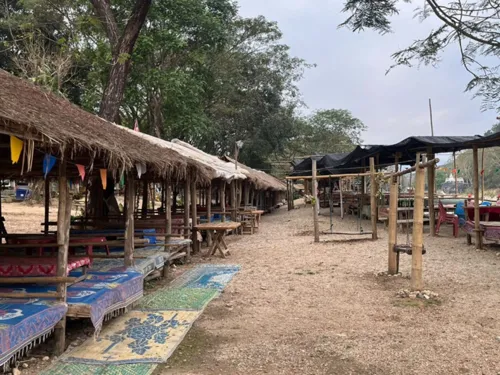
Contamination of the Kok and Sai rivers has hit tourism in Mae Sai (Chiang Rai) and Tha Ton (Chiang Mai) harder than in 30 years. The association estimates tourist numbers down about 80%, and overall sales down about 50%, with some stalls at only 30% of normal even during events. Around half of member businesses have closed or put shops up for sale. Restaurants that stay open are spending about 5,000 baht more a month on water filtration and filter replacement, while menu prices are unchanged. Owners in affected areas should plan for weak demand and higher water-safety costs, and watch for government support for filtration equipment or water-supply subsidies. Sourcing from uncontaminated upland farms is one response being used.
▾ Hover for summary ▾ Tap for summary
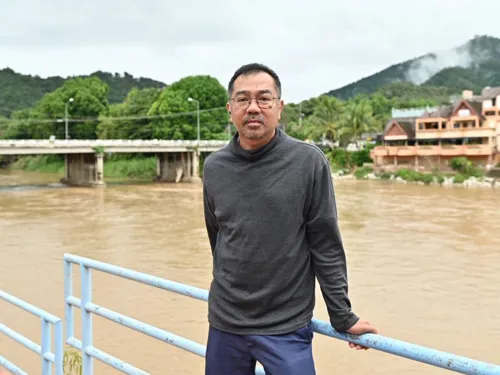
An academic from Mae Fah Luang University warns that toxic pollution in the Kok, Sai, Ruak and Mekong rivers could take 100 years to recover. Some rice mills and collection yards in Chiang Rai have temporarily stopped buying rice over safety concerns. Farmers along these rivers should expect stricter heavy-metal testing before harvest and possible buyer hesitation. Watch for government risk maps and lab testing rules, and keep records of where and when your produce was grown. The article proposes measures only; no rule is yet in force.
▾ Hover for summary ▾ Tap for summary
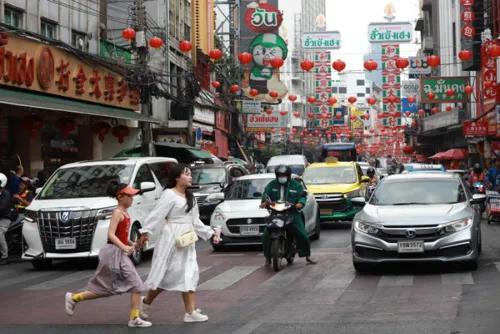
Forecasts from China Trading Desk say mainland Chinese outbound trips will rise about 8.9% this year to 182.9 million, but total outbound spending will fall about 4.3% to US$242.9 billion. Travellers favour nearby destinations, shorter trips and value for money, and Thailand is named among the popular picks alongside Malaysia, South Korea and Vietnam. For a Thai business serving Chinese visitors, expect more visitors but smaller spending per head, so price for value and make the shopping experience worth the trip. The source is a private forecast, and official data shows January to September spending down about 4.7%.

▾ Hover for summary ▾ Tap for summary
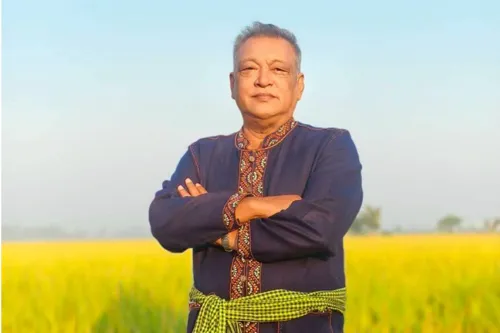
Farmers' association says some mills in Mae Sai, Chiang Rai have slowed rice purchases while awaiting Agriculture Ministry test results on contamination in local water and paddy land, expected around 20 November 2026. Buyers fear export and resale problems, and the association warns unverified reports could push prices down. Northern main-crop harvest is about 90% done; jasmine paddy is quoted at 13,000-14,700 baht/ton, but fuel, fertiliser and harvester costs remain high. If you buy, sell or trade rice in the north, check the test outcome before committing stock, and get clear buyer terms in writing.
▾ Hover for summary ▾ Tap for summary
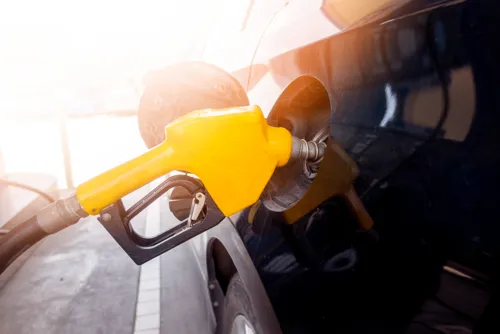
Bangchak's posted pump prices today (22 Nov 2026): B20 diesel 33.50 baht/litre (unchanged), high-diesel S 39.94, gasohol 95 38.14, gasohol 91 37.77, E20 30.10. Prices are before Bangkok's local land tax and may differ at individual stations. Tomorrow's prices take effect at 05:00. If your fleet or delivery costs run on diesel, check these figures against your station and update your transport budget and quotes accordingly.
November 21, 2026
▾ Hover for summary ▾ Tap for summary
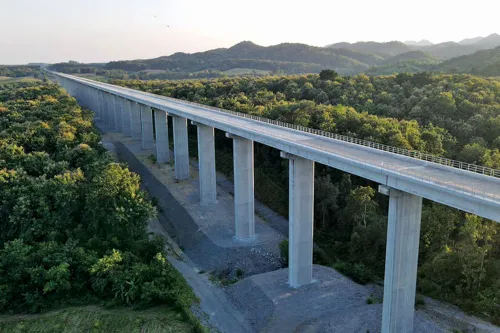
The State Railway of Thailand is building a 323 km double-track line from Den Chai (Phrae) through Lampang, Phayao and Chiang Rai to Chiang Khong on the Lao border. Construction is 74% complete, about 3% behind plan, with completion targeted for January 2028 (2571 BE). The railway says it will cut travel time by 1 to 1.3 hours versus driving and give businesses a rail option for farm, industrial and cross-border freight. For northern SMEs in logistics, agriculture or tourism, this is a medium-term planning item: no action is needed now, but watch for freight terminal and border-trade opportunities along the route.

▾ Hover for summary ▾ Tap for summary
PM Anutin told Cambodia's Hun Manet at APEC in Shenzhen that Thailand will not accept Cambodia's compulsory conciliation under UNCLOS over the maritime dispute. He says other bilateral talks, including land boundary demarcation, will stop while Cambodia insists on it. Reopening border checkpoints was not discussed. For SMEs trading or working near the Cambodian border, expect continued restrictions and no near-term reopening; keep cross-border plans on hold and watch for any change in talks.
 Your real translator for LINE and Discord.
▾ Hover for summary ▾ Tap for summary
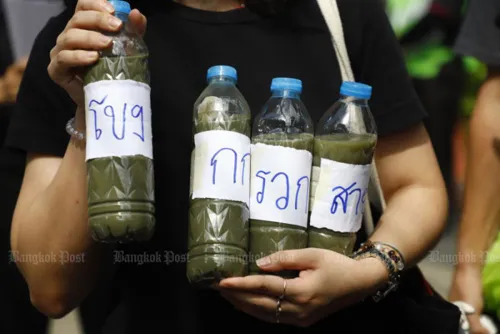
The government plans to declare pollution control zones along more than 150 km of the Mekong and nearby areas in the upper North, with the proposal going to the Pollution Control Committee on Nov 27. Customs will check imports and exports of chemicals and raw materials that may be linked to polluting industries, and the NSC is considering limits on chemicals used in rare-earth production. Businesses in Chiang Rai, Chiang Mai and chemical, mining or raw-material trade should watch for stricter paperwork and possible inspections. No direct cost changes are announced yet.

▾ Hover for summary ▾ Tap for summary
The PM has ordered agencies to test water sources and farm produce for contamination, map affected and clear areas, and crack down on illegal imports and dumping of hazardous chemicals. Where contamination is found, farming may be suspended and affected farmers may get aid. Agriculture and Commerce ministries are to communicate affected zones. Also: PM2.5 burning crackdown in Chiang Mai and Chiang Rai, and flood preparedness in the south. If you farm, pack or sell produce from affected areas, check whether your source province is on the map before the next delivery and keep your supply records.
▾ Hover for summary ▾ Tap for summary
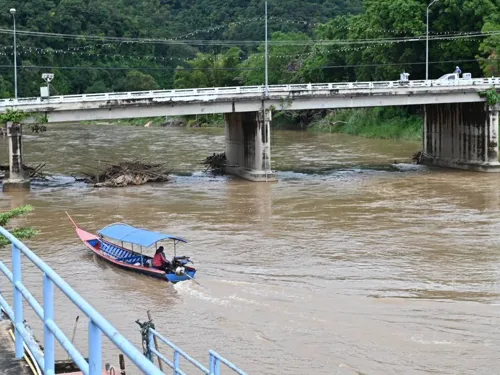
Fishers in Tha Ton (Mae Ai, Chiang Mai) say fish stocks along the Kok River have collapsed over about two years, and income from fishing is now close to zero. Some have switched to farming vegetables such as sweet corn, garlic and chilli using shallow groundwater. Buyers are paying low lump-sum prices simply because produce comes from Mae Ai or Tha Ton. No government remedy has been announced yet. If you buy produce or fish from the Kok–Sai basin, or source from there, expect supply disruption and possible price pressure; verify produce quality and origin documentation before committing to contracts.
▾ Hover for summary ▾ Tap for summary
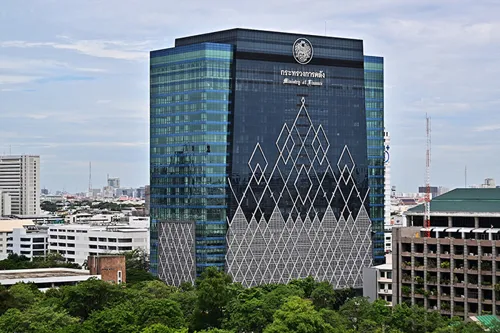
The Finance Ministry's "STI DEE" plan lists 19 "Quick Big Win" projects to launch or finish by January 2027 (ม.ค. 2570). Ones that touch SMEs: the "Ari Score" credit scheme for small earners and SMEs, a CIT tax-benefit change for SMEs, credit support for government suppliers via PromptBiz, VAT and loss carry-forward reforms, and EV and used-car excise changes. The ministry says the VAT item is a system overhaul, not an immediate rate rise. Check whether you supply government agencies and whether your loss carry-forward or SME tax position could change. The ministry will publish updates every Tuesday.

▾ Hover for summary ▾ Tap for summary
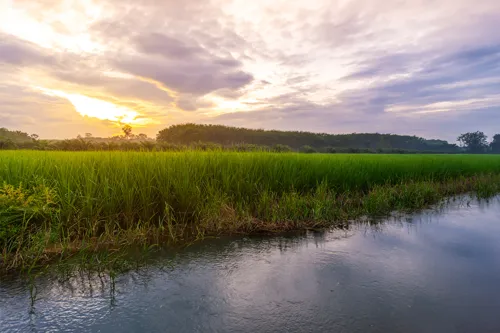
Heavy-metal contamination from Myanmar mining has spread through the Kok, Sai and Ruak rivers into the Mekong, and was found in vegetables near Mae Ai, Chiang Mai. On 19 Nov the natural resources minister said the 150 km of these rivers, plus the Prachin Buri river area near illegal toxic-waste plants, will be declared pollution control zones. Foreign ministry talks with Myanmar's side are set for 25-26 Nov. For farmers and food businesses in the north and east, expect tighter rules on water use and produce sourcing, and possible added costs or buyer scrutiny over food safety.
▾ Hover for summary ▾ Tap for summary
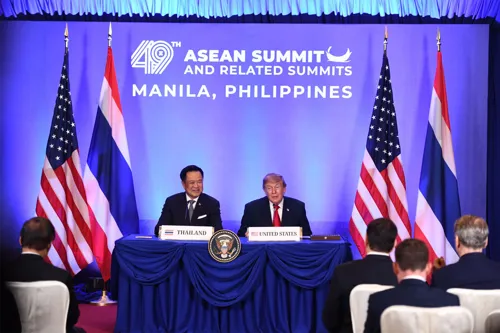
Thailand and the US reached a conclusion on the Agreement on Reciprocal Trade (ART) at the ASEAN summit in the Philippines. Per Trump, Thailand would remove all tariffs on US exports and cut non-tariff barriers on cars, medical devices, pharmaceuticals, ethanol and poultry products, and buy about $2.6 billion (around 88,000 million baht) more US farm goods. The article notes that several steps remain before signing, and Thai agencies still need to decide which imports to open and what the benefits are. For a small business, nothing changes yet. Watch for the signed text, and if you import US cars, medical equipment or farm inputs, or export to the US, check which tariffs apply once it is final.

▾ Hover for summary ▾ Tap for summary
The cabinet plans to ban exports and transit of rare earth precursor chemicals via the National Security Council, with Industry and Commerce checking related rules. The Natural Resources ministry is to declare a pollution control zone along the Thai side of the Kok River (150 km) on 2 Dec, after the National Environment Board approves it. Chiang Rai and Chiang Mai will get daily or twice-daily official updates, and a zone-by-zone map (yellow, green, red) is due before 15 Dec. For Chiang Rai and Chiang Mai businesses, especially farming and food, check whether your water source or inputs fall in the zone. Rice is said not to be a concern for now. Exporters of chemicals linked to rare earths should wait for the final rules.

▾ Hover for summary ▾ Tap for summary
Chiang Rai's 10 rice samples passed safety standards, and mills and cooperatives say they keep buying. Fresh glutinous paddy rose to 9,300-9,500 baht per tonne, and traders expect 10,000. The Commerce Department will bring mills from outside the province to a paddy market at Mae Sai Agricultural Cooperative on 28-30 Nov 2026, aiming for 50-300 baht per tonne above market. About 170,000 tonnes remain to be harvested, expected to finish by end-November. Farmers and rice traders in the north should watch this window; ธ.ก.ส. loans are available to support buying.
 Together GoWeGo! Ferry tickets in Thailand.
▾ Hover for summary ▾ Tap for summary
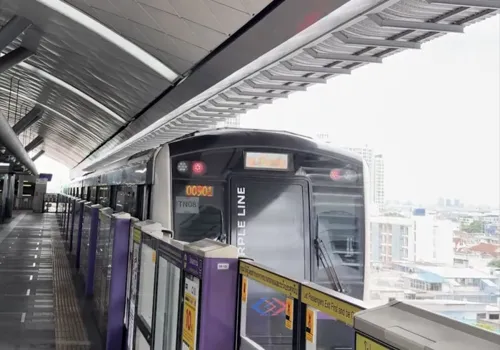
BEM is testing QR code tickets on the MRT Blue and Purple lines, with trial use possibly from December. Plastic tokens are phased out entirely from Jan 1, 2027. From Jan 1, payment is by EMV contactless cards, Mangmoom EMV cards or QR tickets only. QR tickets do not qualify for the 17-45 baht flat fare, which needs an EMV contactless card. Old MRT or MRT Plus cards can be swapped free for Mangmoom EMV cards at station ticket offices until Dec 31, one card per passenger. For staff or commuters who travel by MRT, decide which payment method to use before the year ends.

▾ Hover for summary ▾ Tap for summary
KKP Research says the El Niño drought risk shifts from 2026 to 2027. In a severe case, similar to 2014-2016, farm income could fall 15-20%; in a normal case, only 1-5%. Rainfall is expected to arrive late and stay short in the 2027 rainy season, and the dry-season rice crop is at risk. Rural customers outside irrigated areas in the Northeast and central rice growers are most exposed, which could weaken rural spending and loan repayment. Plan for softer rural demand and tighter cash flow in 2027, and watch for government guidance on skipping the second dry-season rice crop.
▾ Hover for summary ▾ Tap for summary
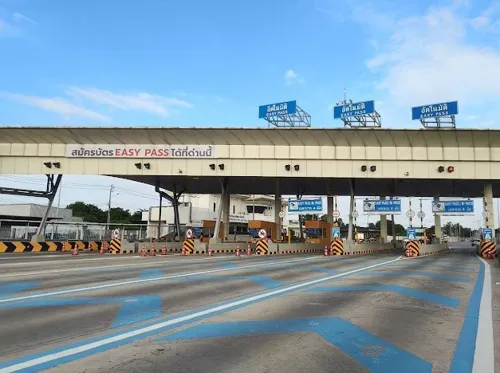
The Expressway Authority (EXAT) will raise tolls on the Prachachuen-Ratthaya / Sri Rat–Outer Ring Road expressway from 15 Dec 2026, under the 2012 BEM concession's five-yearly review. New rates: 4-wheel cars 65 to 80 baht; 6–10 wheelers 105 to 130 baht; over 10 wheelers 150 to 185 baht. The minister has asked EXAT to find relief, and EXAT meets BEM next week to consider a delay. Delivery, transport and logistics costs on this route should be budgeted at the higher rates, and watch for an official announcement of any delay before mid-December.
▾ Hover for summary ▾ Tap for summary
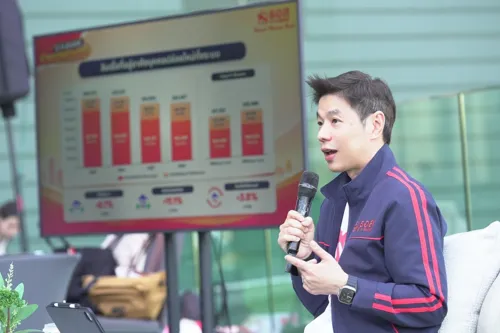
Government Housing Bank (GHB) has lent 219,855 million baht as of 18 Nov 2026, 89% of its 246,795 million target, and expects to hit the full year target. It is easing criteria for first-time, freelance and no-fixed-income borrowers, using utility-bill and savings data. Relevant products: the "บ้านคนละหลัง PLUS" scheme (up to 3 million baht, 2.60–2.80% first 2 years, up to 40 years) and "บ้าน ธอส. เพื่อคุณ" (income up to 35,000 baht/month, 3.00%). Freelancers or staff who struggle to prove income should check eligibility now, since the PLUS quota is already over-subscribed at 115%.